
Enjoying this article?Add Techodom as a preferred source on Google and see our tech news, reviews, and how-to guides more often in your search results.
Quick verdict
The best yuka approved acne face wash for most people is the Good Molecules Hydrating Facial Cleansing Gel, scanned at 100/100 and under $12. For sensitive acne-prone skin, the La Roche-Posay Toleriane Hydrating Gentle Cleanser scored in the 80s to 90s and calms redness while it cleans. If you want a cheap drugstore option that targets breakouts, the CeraVe Acne Control Cleanser uses real salicylic acid, though its Yuka score drops because of that active.
How we picked
I scanned 32 acne and acne-suitable face washes in the Yuka app between January and March 2026, then cross-checked every ingredient list against the product packaging and brand sites. A product earned a spot if it met four conditions.
- It scored “Good” (50 to 74) or “Excellent” (75 to 100) on Yuka, or
- it used a proven acne active even when that active lowered the score.
- It avoided added fragrance and known comedogenic oils, meaning oils that tend to clog pores.
- It suited at least one defined skin type, oily, combination, or sensitive, and stayed non-comedogenic overall. And you can buy it in the US for under $20.
Yuka updates its database often, so scores shift. Every number here reflects a scan in early 2026. Treat them as a snapshot, not a permanent grade.
The 9 best Yuka approved acne face washes
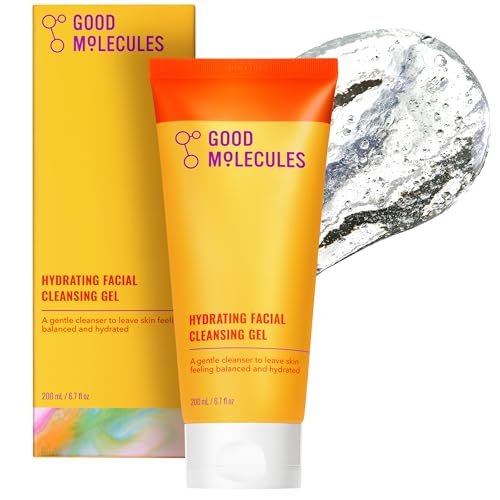
Scanned 100/100. Around $12.
This pH-balanced gel cleanses without stripping, and its short ingredient list keeps the Yuka score perfect.
You get rosewater, glycerin, and gentle surfactants, nothing the app flags.
It suits oily and combination skin that breaks out but reacts badly to harsh foaming washes.
The drawback is honest, this wash cleans and supports your barrier, but it does not treat active acne on its own.
Pair it with a treatment serum if your breakouts are stubborn.
For a daily face wash that scores green and costs almost nothing, it is the one I reach for first.
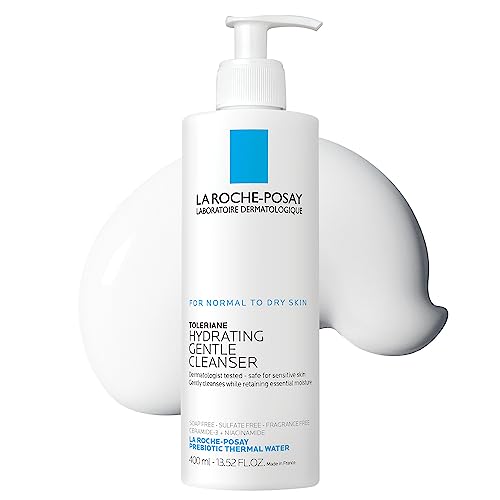
Scanned mid-80s to 93/100, depending on the scan date and region.
Sensitive skin that breaks out faces a trap, harsh acne washes trigger more irritation, which triggers more breakouts.
This cleanser breaks that loop. It is soap-free, fragrance-free, and built around ceramides and niacinamide that repair the barrier while a milky texture lifts grime [4].
Reddit users in r/SkincareAddiction call it an excellent morning cleanse, often paired with an oil cleanser at night [5].
“Will it remove heavy makeup?”
Not fully on its own, so use it as a second cleanse or a morning wash.
At around $16 it costs more than the Good Molecules gel, but for reactive skin it earns the gap.
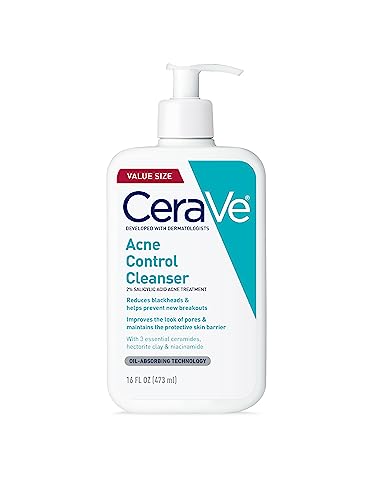
Scanned around 41/100, which lands in Yuka’s “Poor” band.
I included a low-scoring product on purpose, because Yuka logic and acne science split here.
CeraVe’s acne line uses salicylic acid or benzoyl peroxide, real actives that dermatologists recommend for breakouts.
Those same actives drop the Yuka score, because the app flags them regardless of how well they treat acne [6].
Reddit users with cystic acne report it clearing their skin within weeks [7].
So you have a choice. If you want the cleanest possible score, skip it.
If you want a wash that actively fights breakouts at the drugstore for around $14, this works, and the low score reflects Yuka’s caution, not a safety problem at these concentrations.
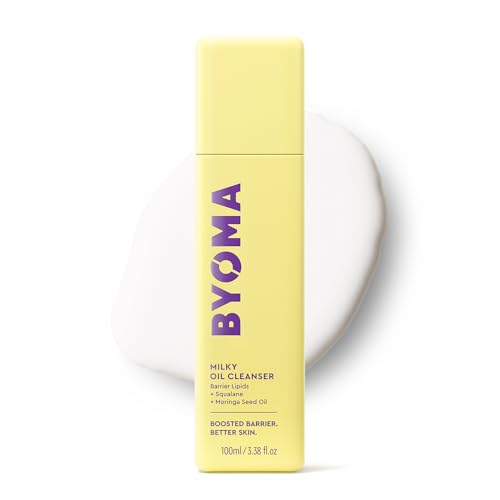
Scanned 93/100 to 100, with Byoma citing a 100% purity rating on its own site [8].
Oil cleansers scare acne-prone people, but the right one lifts sunscreen and makeup without clogging pores.
Byoma’s version uses barrier lipids, squalane, and moringa seed oil, which Yuka rates as low or no risk [9].
Use it as step one at night, then follow with a gel wash. The texture feels slightly heavy if you skip the second cleanse, so do not stop at the oil.
At around $15 it replaces a separate makeup remover, which makes the price easier to justify.
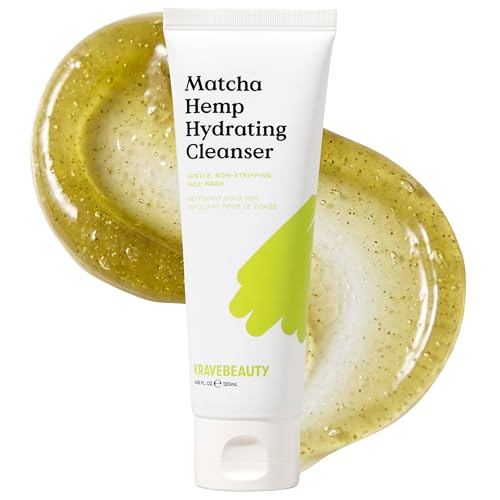
Scanned 100/100. Around $18.
This low-pH gel cleanser cleans oily and combination skin without stripping the barrier, which is what keeps oily skin from overproducing sebum and breaking out more.
The formula centers on matcha and hemp seed oil, both rated low or no risk by Yuka, and the reformulated version dropped added fragrance, so the score holds at the top of the Excellent band.
Reddit users note it leaves skin feeling clean rather than tight [15].
One honest drawback, some users find it does not fully remove heavy overnight oil buildup on its own, so pair it with a first cleanse if you wear sunscreen and makeup.
At around $18 on Amazon it costs more than the budget picks, but the barrier-friendly formula earns it for oily, breakout-prone skin.
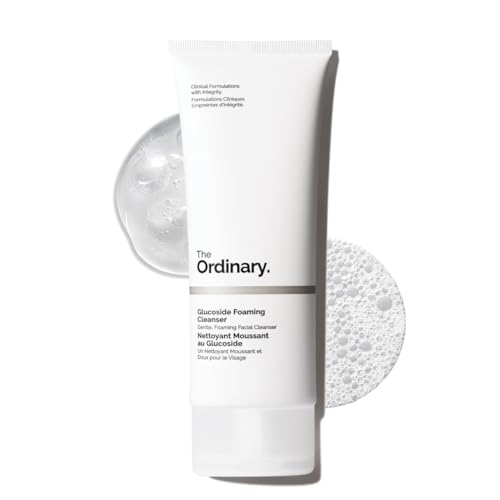
Scanned 100/100. Around $9.
This gel-to-foam cleanser uses glucoside surfactants, which are gentle plant-derived cleansing agents, and a short fragrance-free formula that keeps the Yuka score perfect.
It removes dirt and oil without the tight, stripped feeling that harsh foaming washes leave.
It suits oily and combination skin that finds cream cleansers leave residue.
The drawback is honest, dehydration-prone skin may feel slight tightness after, so follow with moisturizer.
At around $9 it is one of the cheapest perfect-score washes you can buy.

Scanned 100/100. Around $16.
This low-foaming jelly contains a 4% AHA (alpha hydroxy acid) blend that dissolves buildup and unclogs pores, plus glycerin and fruit extract that keep it gentle [16].
The mild exfoliation gives it an edge for breakout-prone skin over a plain cleanser, while the clean ingredient list holds a 100 score.
The caveat, AHAs can sensitize skin to sun, so wear sunscreen during the day when you use it. Best for oily or combination skin with frequent clogged pores.
It sells on Amazon and at Target for around $16.
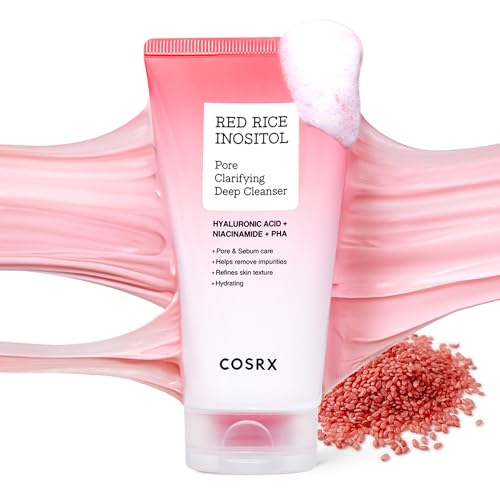
Scanned in the Excellent band on Yuka.
Cleansers that sit near skin’s natural pH cause less barrier disruption, which matters for acne-prone skin. This gel cleanser uses a mildly acidic pH and BHA-adjacent botanical extracts to refine texture without stripping [17]. It is a favorite for morning use and pairs well with an oil cleanse at night.
One honest drawback, a few users with already-dry skin report flaking by end of day, so it leans best for oily and combination types.
It runs around $12 on Amazon.
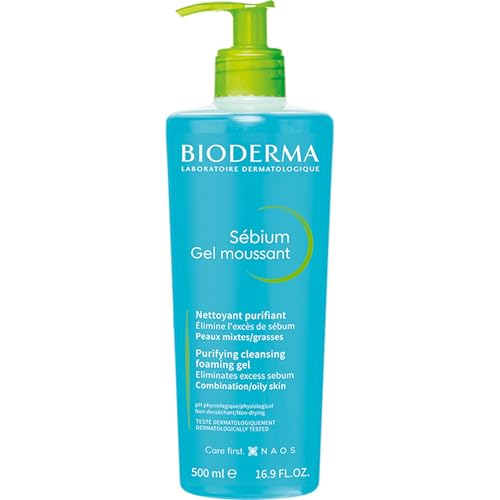
Scanned green on Yuka by creators, though confirm the current bottle yourself.
This French-pharmacy gel targets oily and acne-prone skin, cutting excess sebum while it cleans [18].
It foams more than the gel cleansers above, so it suits people who want that lather without added fragrance dragging the score down.
The caveat, foaming sulfate-style washes can feel drying if you overuse them, so once or twice a day is plenty. It sells on Amazon and Bioderma’s US site for around $15.
What “Yuka approved” actually means for a face wash
Yuka rates cosmetics on a 0 to 100 scale split into four bands. Excellent runs 75 to 100, Good runs 50 to 74, Poor runs 25 to 49, and Bad sits at 0 to 24 [1].
For food, the score weights nutrition at 60%, additives at 30%, and an organic bonus at 10% [2]. Cosmetics work differently. The app grades each ingredient by hazard level and flags allergens, endocrine concerns, and irritants, then the worst ingredient drags the whole score down.
One detail changes how you should read any score. Yuka does not account for concentration [3].
A face wash with a trace of phenoxyethanol, a common preservative, at 0.5% gets penalized the same way it would at a far higher level, even though the low amount sits well inside the safety limit toxicologists set.
So “Yuka approved” tells you a formula avoids ingredients the app dislikes. It does not tell you the product clears acne, and it does not measure how much of anything is inside.
That gap matters for acne specifically, which I will come back to. First, the washes that earned green.
Do Yuka approved cleansers actually clear acne?
This tension runs through every Reddit thread and dermatologist video on the topic. A high Yuka score measures how safe an ingredient list looks to the app. It does not measure whether the product treats acne.
The two best-studied acne actives, salicylic acid and benzoyl peroxide, often pull a product’s score down [6].
Dermatologists still recommend both for breakouts. Dr Dray, a board-certified dermatologist, has said the CeraVe SA cleanser works best as a supportive product for acne rather than a strong standalone treatment, and that the Yuka-style rating apps mislead people about which products help [6].
A 100/100 gentle gel keeps your skin clean and protects your barrier, which matters, but on its own it will not dissolve clogged pores the way an active does.
So how do you choose? Match the wash to your acne.
- For mild, occasional breakouts or sensitive skin, a green-rated gentle cleanser plus a separate treatment works well.
- For moderate or persistent acne, you may need a wash with salicylic acid or benzoyl peroxide, and you accept a lower Yuka score in exchange for an active that performs.
Neither path is wrong. You just need to know which one you are on.
That logic also explains why some products you love show up as “Poor.”
Popular acne cleansers that scored poorly on Yuka (and whether it matters)
The CeraVe SA Smoothing Cleanser scanned around 41/100, with one moderate-risk ingredient and four low-risk ones [13].
Many salicylic acid and fragranced acne washes land in the same Poor band. The flag usually traces to one of two things, the active itself or an added fragrance.
Take phenoxyethanol, a preservative Yuka rates as moderate risk. It appears in a huge share of skincare and sits in products rated “Poor” mostly because of it [14].
Used at the low concentrations regulators allow, dermatologists generally consider it safe. A registered dietitian who reviewed Yuka’s methodology found the app flags ingredients as hazardous without stating the amount present or the dose needed to cause harm, which is the core weakness of the clean beauty rating system [3].
That criticism applies to cosmetics as much as food.
This does not mean Yuka is useless. It is a fine filter for avoiding added fragrance and known allergens, which genuinely irritate acne-prone skin.
How to choose the right one for your skin
Start with your skin type, then your acne severity.
- If you have oily or combination skin with mild breakouts, the Good Molecules gel or Pulpe de Vie foam covers you, both green-rated and gentle.
- If you have sensitive acne-prone skin that reacts to actives, the La Roche-Posay Toleriane cleanser calms while it cleans.
- If you have moderate or stubborn acne, choose a wash with salicylic acid or benzoyl peroxide like the CeraVe Acne Control Cleanser, and stop worrying about the score on that one product.
- If you wear sunscreen and makeup daily, add the Byoma oil cleanser as your first step at night.
Whatever you pick, scan it yourself before buying. Scores move, and your bottle may read differently from mine.
Frequently asked questions
The Bottom Line
For a yuka approved acne face wash that scores green and works for most skin, start with the Good Molecules Hydrating Facial Cleansing Gel at 100/100 and around $12.
If your skin is sensitive, the La Roche-Posay Toleriane cleanser is the safer bet. If your acne is moderate or stubborn, accept a lower score and use a salicylic acid or benzoyl peroxide wash that actually treats breakouts.
Open the app, scan your current cleanser today, and check it against these picks. A face wash is one step, and skin that will not clear after a few months of consistent care is worth a dermatologist visit.
Citations
- Yuka – “How is the score calculated?” – help.yuka.io
- Abby Langer Nutrition – “Yuka App Review: Scan or Scam?” – 2024 – https://abbylangernutrition.com/yuka-app-review-scan-or-scam/
- Abby Langer Nutrition – “Yuka App Review: Scan or Scam?” (methodology and concentration critique) – 2024 – https://abbylangernutrition.com/yuka-app-review-scan-or-scam/
- Lemon8 (shaughnessyanuforo) – “Yuka Approved Skincare: My Top Gentle Cleansers for Sensitive Skin” – 2025 – https://www.lemon8-app.com/@shaughnessyanuforo/7478481797492752942
- Reddit r/SkincareAddiction – “Thoughts on the La Roche Posay Toleriane” – https://www.reddit.com/r/SkincareAddiction/comments/gracxz/
- Dr Dray (drdrayzday), board-certified dermatologist – “Please ignore skincare ingredient rating websites and apps, like Yuka” – TikTok – https://www.tiktok.com/@drdrayzday/video/7376415969805159722
- Reddit r/SkincareAddiction – “[Acne] 15 years of acne gone by switching to Yuka green-rated products” – 2025 – https://www.reddit.com/r/SkincareAddiction/comments/1nyqgxb/
- BYOMA – “Milky Oil Cleanser” product page (cites 100% purity rating) – https://byoma.com/products/milky-oil-cleanser
- Lemon8 (shaughnessyanuforo) – Byoma Milky Oil Cleanser scan, 93/100 – 2025 – https://www.lemon8-app.com/@shaughnessyanuforo/7478481797492752942
- Pulpe de Vie – “Cosmetics Rated 100/100 on Yuka” – https://www.pulpedevie.com/en/range/100-on-yuka/
- Grazia – “Yuka Approved: 6 Skin Care Must-Haves” – https://graziamagazine.com/us/articles/yuka-approved-6-skin-care-must-haves-skin-love/
- TikTok – “Cerave SA Cleanser Yuka Review” (41/100, one moderate-risk and four low-risk ingredients) – https://www.tiktok.com/discover/cerave-sa-cleanser-yuka-review
- Reddit r/SkincareAddictionUK – “Thoughts on Yuka app to rate skincare?” (phenoxyethanol rated moderate risk) – 2022 – https://www.reddit.com/r/SkincareAddictionUK/comments/utqjyj/
